Maximo Park – Queen’s Hall

Live music, Music Review

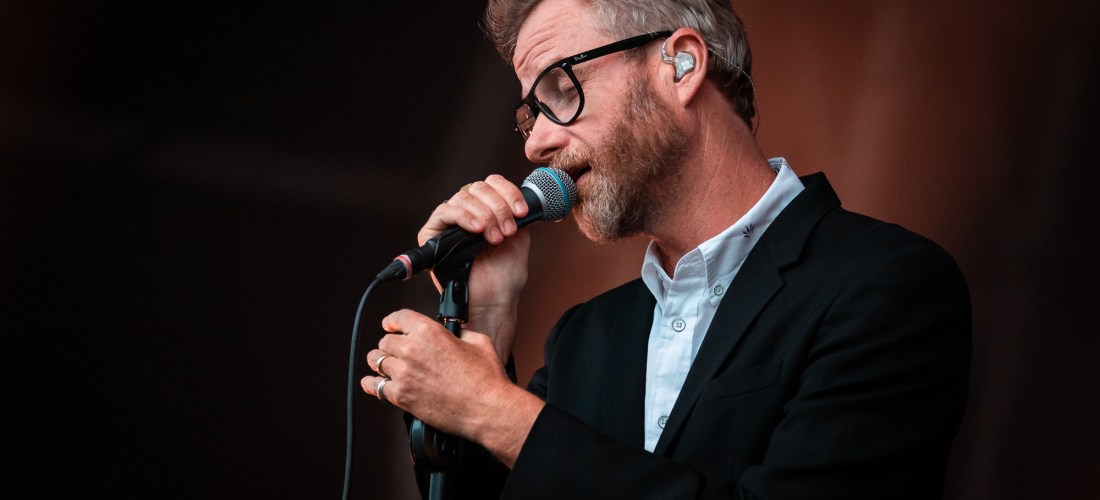
Maximo Park are thrilled to play the Queen’s Hall for the first time, even when things don’t go exactly to plan.

The music of Maximo Park, the indie rock outfit from northeast England, has been called many things over the band’s 20-plus-year history, including – but not limited to – “intellectual”, “energetic”, “intense”, “political”, “optimistic”, “endearing”, “romantic”, “emotional”, “passionate” and “sincere”. A lot of very broad, human qualities embodied in their sound and in their lyrics especially. At different times they’ve been categorised as “alternative rock” and “post punk” and “art pop” but regardless of pigeonholing the loudest reviews have generally been quite positive; critics like to say nice things about this band.

I’m not here to argue with the tastemakers of history but one thing that isn’t mentioned enough, in my opinion, is how awkwardly self-aware this band is and has always been. And when I say “this band” I’m really talking about its most expressive incarnation, its mouthpiece. I’m talking about Paul Smith, frontman, lyricist, self-anointed spokesperson, social media manager, mailing list usurper. The singer who appears to be 105% present in every performance and 110% in his head at all times.
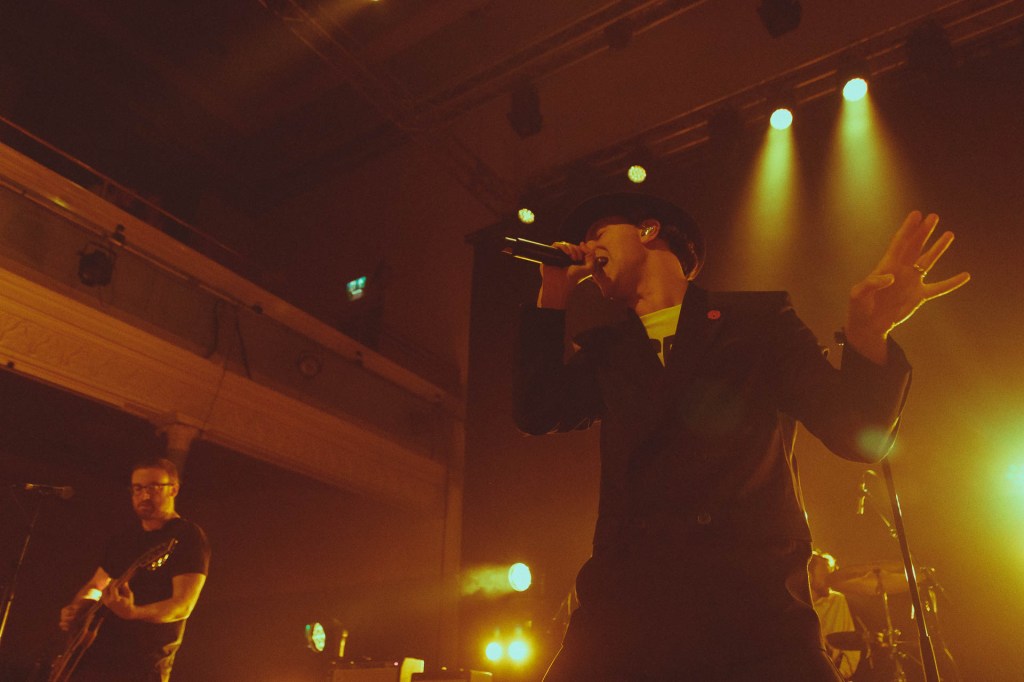
Paul Smith has made a career out of turning the banal surreal, out of punctuating abstract scenes with his own unmistakable, visceral, whiplash-inducing lyrical couplets. He’s very good with the words. And dancing. And singing, too; excellent with the singing. Yet, when he’s on stage he often comes across as if he’s dodging imaginary word bullets. It’s like his superpower is intuiting what not to say so as to avoid getting retroactively cancelled in 30 years’ time. It must be a real struggle when you have such an actively extensive lexicon, to find just the right way of saying “this song is about geographical privilege in the arts” or “bodily autonomy”, for example – legitimate examples, by the way – and yet Smith insists on trying this for every song, or at least every other song and most songs in between. It’s distracting to watch him calculating in real time – he talks a lot for someone who says very little – but true fans and word nerds understand and appreciate the effort. He’s really a sensitive, new age guy.

Anyway, no-one talks about this nearly enough for my liking.

You know what makes this band so great? And, especially, what makes this band so great live?

Duncan Lloyd: Founder, guitarist, songwriter and former co-frontman – once-upon-a-time, before the incumbent magnetic frontman arrived – this guy is just effortlessly cool. His mere presence brings the average temperature of any room down by approximately six degrees Celsius. Understated is an understatement when you’re talking about Duncan Lloyd – he’s on stage, guitar is everywhere but you have no idea where it’s coming from because this guy has effervesced into pure sonic air. That’s right, this guy is so cool he defies physics. Also if you look up the Maximo Park Wikipedia timeline of band members you’ll see that for the last five years Lloyd is credited with guitars, keys, bass and backing vocals; the guy could literally form a Maximo Park one-man tribute band.

Speaking of one-man bands…

You know what else makes this band so great?

Tom English plays the drumkit like it’s an orchestra, like he’s an orchestra. Like he’s conductor and concertmaster; melody, counter melody, harmony and – of course – percussion. He exacts tonality, timbre and tempo from his instrument with the stone-faced charm of Charlie Watts doing his best impression of Animal from The Muppets, or vice versa. His style is emphatic, idiosyncratic. His fills often underscore the ferocity of Lloyd’s own percussive strumming without ever entertaining the spotlight for even a second, though you’d happily listen to him pound out a sixteen-minute solo, given half the chance.

I could go on. I will go on.

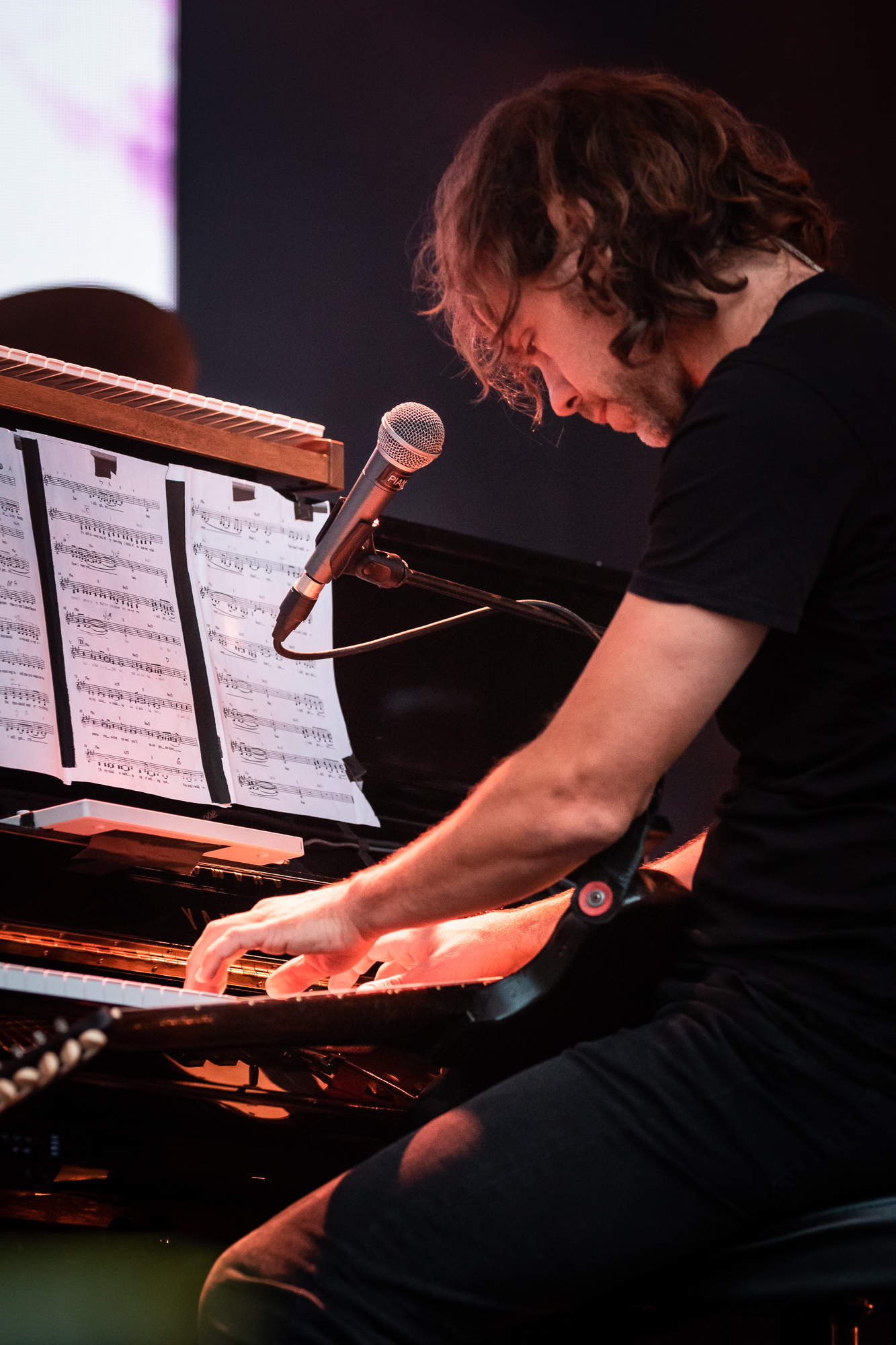
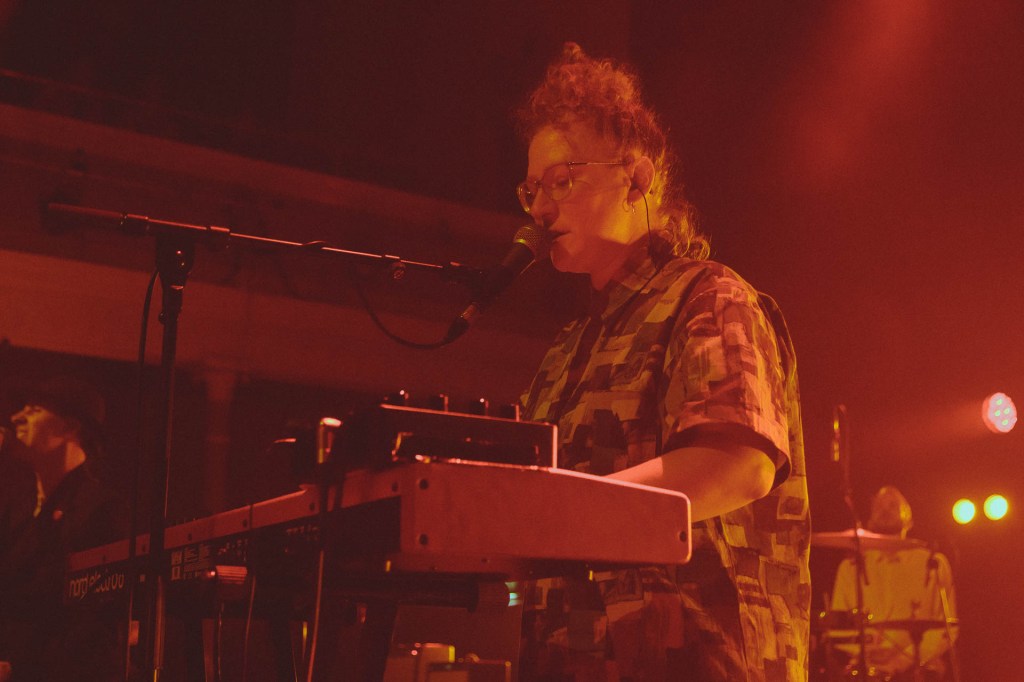
Jemma Freese, joined the band as a touring member in 2019 following original keyboardist Lukas Wooller’s departure and immigration to Australia – he’s doing fine; he DJs with a friend of mine in Melbourne sometimes, comes back to visit family in Yorkshire and complain about the weather. Jemma Freese is now an integral part of the Maximo Park live set-up and like Smith’s higher consciousness she probably doesn’t get the attention she deserves. There are times when, especially on the earlier songs, the only thing elevating their performance above the band’s very energetic original recordings is that deliciously indefinable X-factor that is the human voice, Jemma’s voice, and also a particularly juicy keyboard line delivered with just the right amount of spice. Jemma Freese is a musical master chef and connoisseur of tone. When she sings, you listen. When she plays, you feel something: sated.
What’s missing?

Bass. Okay, sure, sometimes in acoustic sets they’ll go without, but you wouldn’t go without, if you had a choice. Listening to Maximo Park songs without bass would be like watching The Wizard of Oz without the colour green. It’s the same story and the characters are all accounted for but suddenly that witch isn’t so scary and the Emerald City is, well, it’s just a city, isn’t it? There’s a fantastical magic about the basslines that Maximo Park deploy, something elemental, that was forged in their very beginning and that carries on today through the presence of Andrew Lowther who was loaned to the band by their musical brothers, Field Music, and who now, like a shared favourite toy, has to be agreeably passed back and forth between the two bands seemingly until one of them outgrows their enjoyment of him, or he’s broken beyond repair. Hopefully never the latter.

So these five humans get together in Edinburgh on a gloomy, autumnal Friday night in 2024. They bash out 18 songs in roughly 75 minutes. I know without checking my watch that it’s about 75 minutes because in the 30-something times I’ve seen them live they’ve only once pushed the 80-minute mark. They have a setlist formula and – eight albums in – they’re sticking to it. The sound is surprisingly good for a room that’s not designed for or suited to amplified instruments.

It’s going well for them until halfway through when a crackle in the monitors breaks Smith’s concentration and the system has to be rebooted. It’s fine, actually, they weren’t building great momentum with the new song / old song / new song rhythm at that point anyway, more of a haunted house stop-start carnival ride energy. This added bit of improvised drama plays into the performance-as-art-installation vibe they’ve been cultivating on the recent instore junket for Stream of Life, their latest collective release about geographical privilege and bodily autonomy (among other things). They persevere serendipitously towards emotional and technical catharsis through a semi-acoustic rendition of the album’s title track that’s really nice. And then they power through the rest of the set like it’s business as usual, which it is: Two back-to-back smash hits to close out the set and then two unsuspecting old favourites for the encore.

Now there’s a word to describe Maximo Park that doesn’t come up very often: Consistent. They’re a consistent live band. They’re consistent on record. They’re reliable. Professional. These aren’t the sexy qualities that we lust after in our Rock Gods and Pop Stars, these are traits on a whole other level. These are the characteristics we seek out in life partners, ride-or-die besties, colleagues, godparents to our children and, importantly, qualities we aspire to embody ourselves. We seek and we find them in our favourite bands. No wonder critics like to say such nice things about them.
The National – Edinburgh Castle

Festivals, Live music, Music Review

No matter how many times you’ve seen The National live before, you never quite know what their next performance will deliver: Chaos; Ecstasy; Frivolity; Indignation; the Apocalypse. Just about anything is possible.

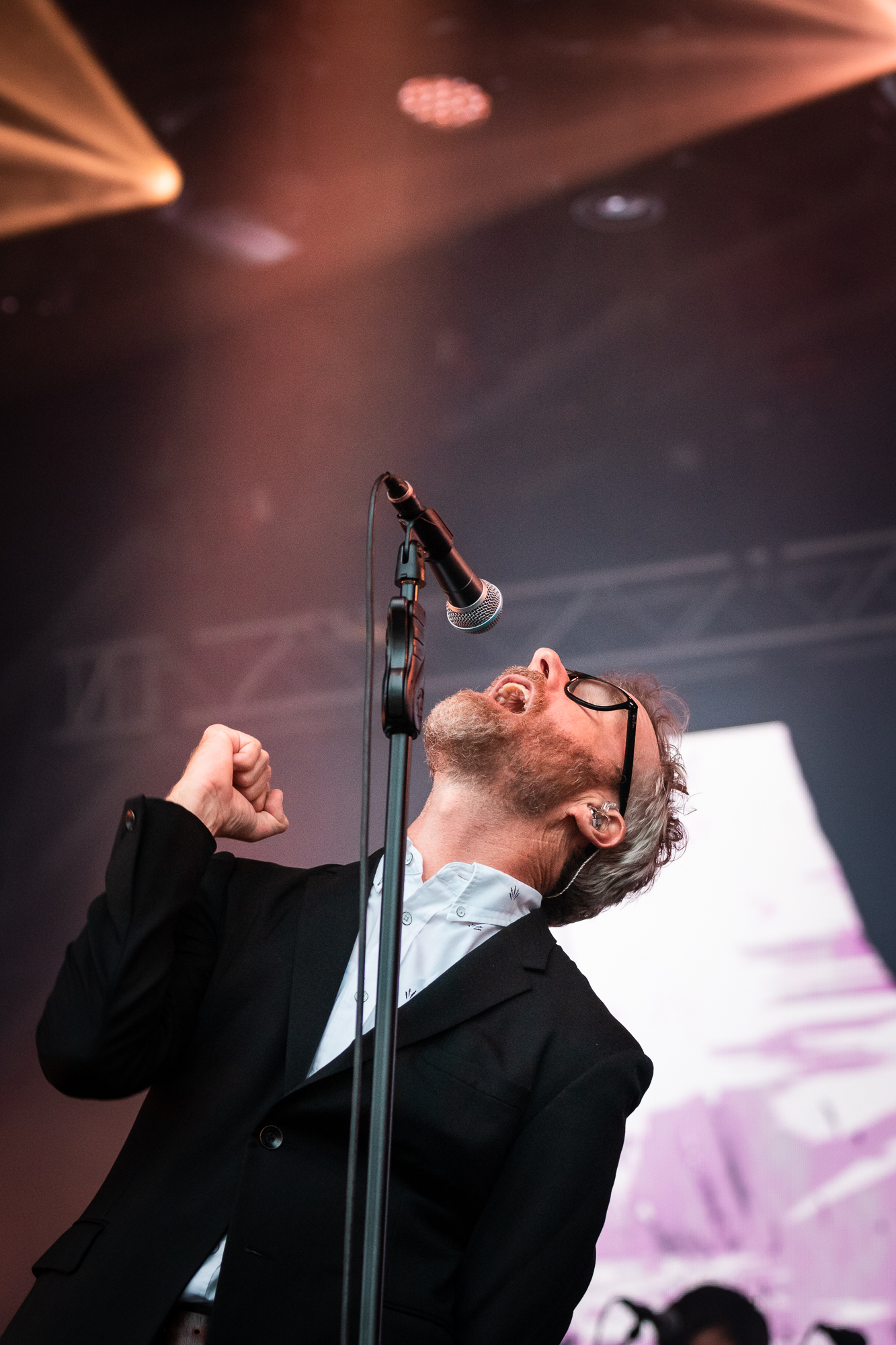
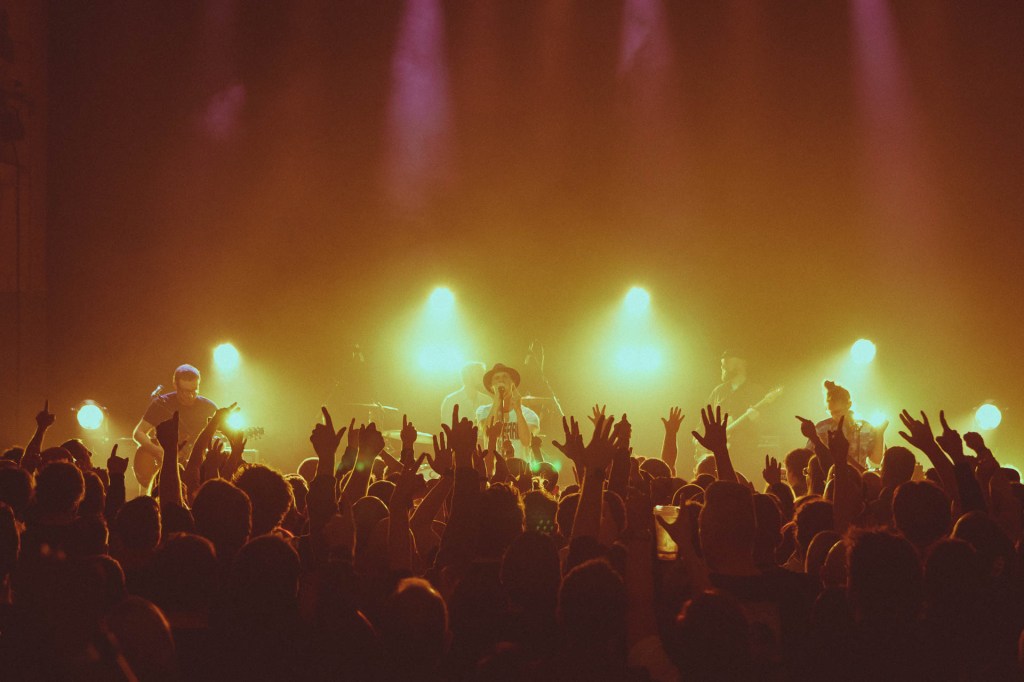
The darkly solemn lyrics of frontman Matt Berninger coupled with the delicately euphoric indie rock tones of his six bandmates are a heady mix on record but when given the large-scale flesh-and-blood treatment of an arena – or temporary stadium, in front of a castle, atop an extinct volcano – the experience is thoroughly intoxicating.

Their headline performance at Edinburgh Castle capped off a string of hugely successful summer festival dates and open-air shows across Europe and the UK including Primavera Sound, Montreux Jazz Festival and Glastonbury, and as testament to their still ever-growing popularity, fans travelled from all over to be in attendance, with some transient international visitors even buying tickets on the night.

Bess Atwell opened the night; her buttery, mellifluous vocal resonating over the Old Town in the early evening sun. The ease of her performance belied any end-of-tour emotions she may have been feeling, as well as the illness which she later disclosed via social media. Instead she played with an easy charm, drawing mostly on songs from her latest album “Light Sleeper” which was produced by The National’s Aaron Dessner. The opening 1-2 of “Everybody Who’s Not In Love With You Is Wrong” and “Release Myself” was even more devastating than on record and the building beauty of “Something Now” soared as the clouds broke to allow a little golden light onto the highest grandstand seating.

When The National arrived on stage Berninger was in a savagely playful mood, mingling and tormenting fans and occasionally spouting political quips. At times his voice came with more force than melody but as the set wore on he seemed to settle into the songs with a commanding -and less threatening- presence.

Throughout “Don’t Swallow The Cap” he focused his effort on collecting and arranging cardboard signs from the audience; an unusual recent phenomenon for anyone other than Springsteen but it seems this expression of fandom is making a welcome comeback.

The run of “I Need My Girl”, “Slow Show” and “Sorrow” drew a particularly adoring reaction from the crowd but the intensity was regularly offset by Berninger’s tangential introductions and he even maliciously disembowelled a soft toy with his teeth during “Alien”.

The set concluded with “Fake Empire” before the band returned for a five-song power-encore that featured a duet with Bess Atwell, a dedication to Scott Hutchison and Tiny Changes and Berninger testing the limit of his microphone lead as he roamed the audience during “Terrible Love”. The almost-traditional closer of an unplugged “Vanderlyle Crybaby Geeks” cascaded from all sides of the castle as Berninger gathered his cardboard mementos and exited the stage, leaving just acoustic guitars and a few hundred voices echoing their refrain.

Bleachers – Barrowland Ballroom

Live music, Music Review

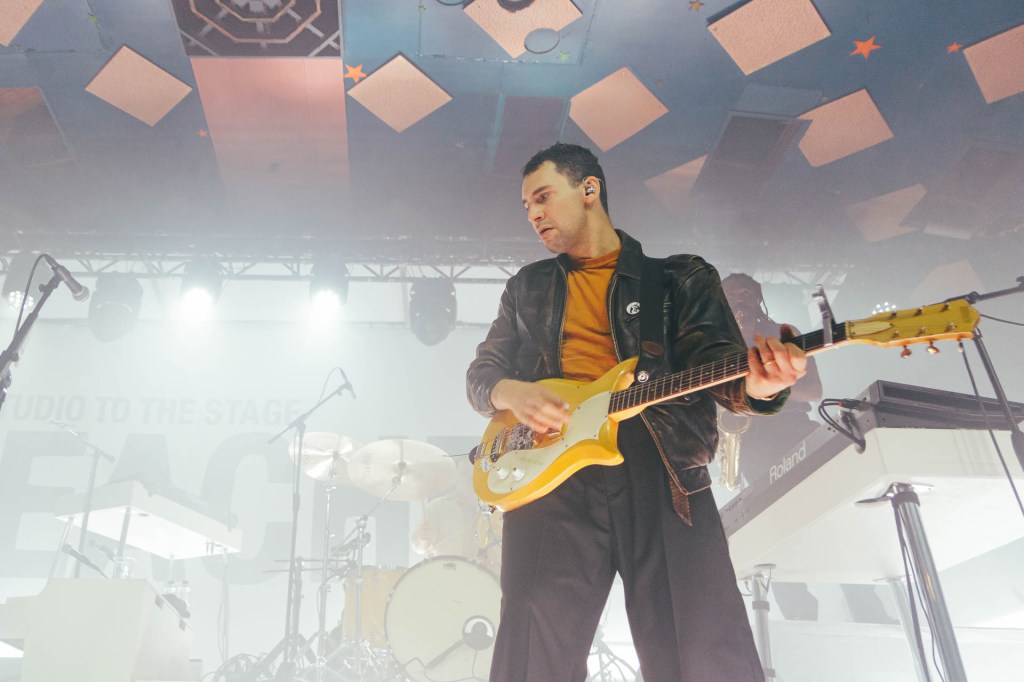
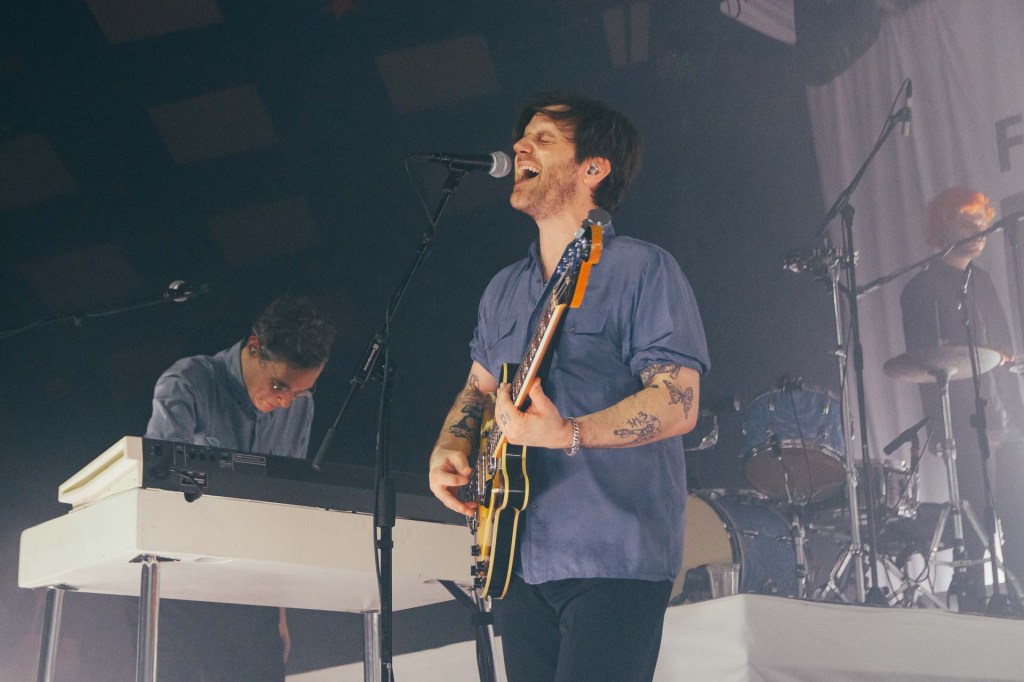
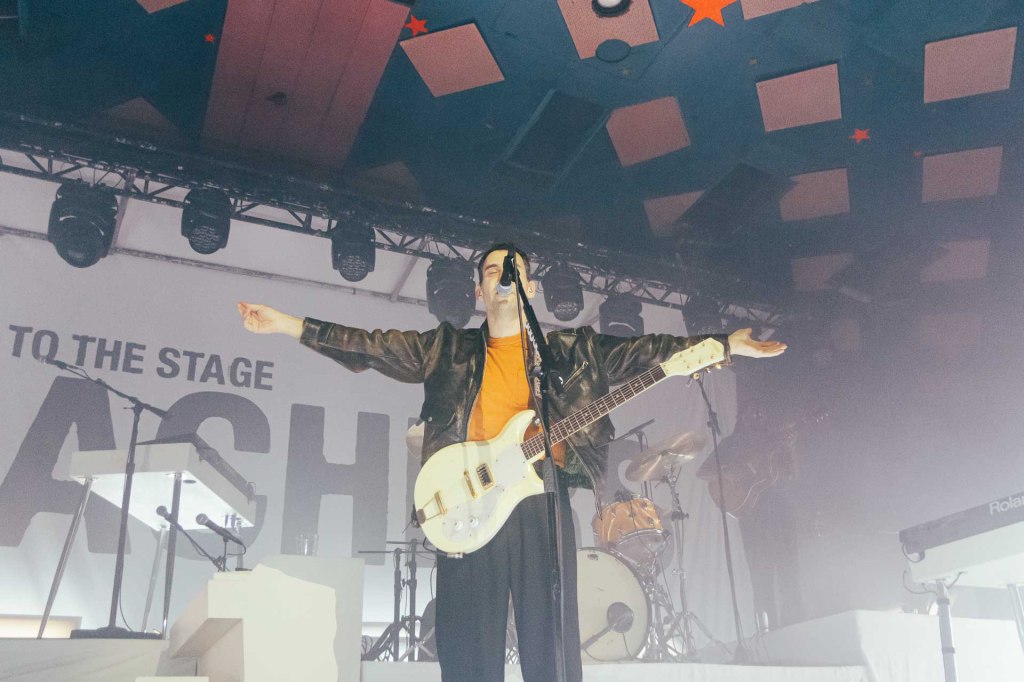
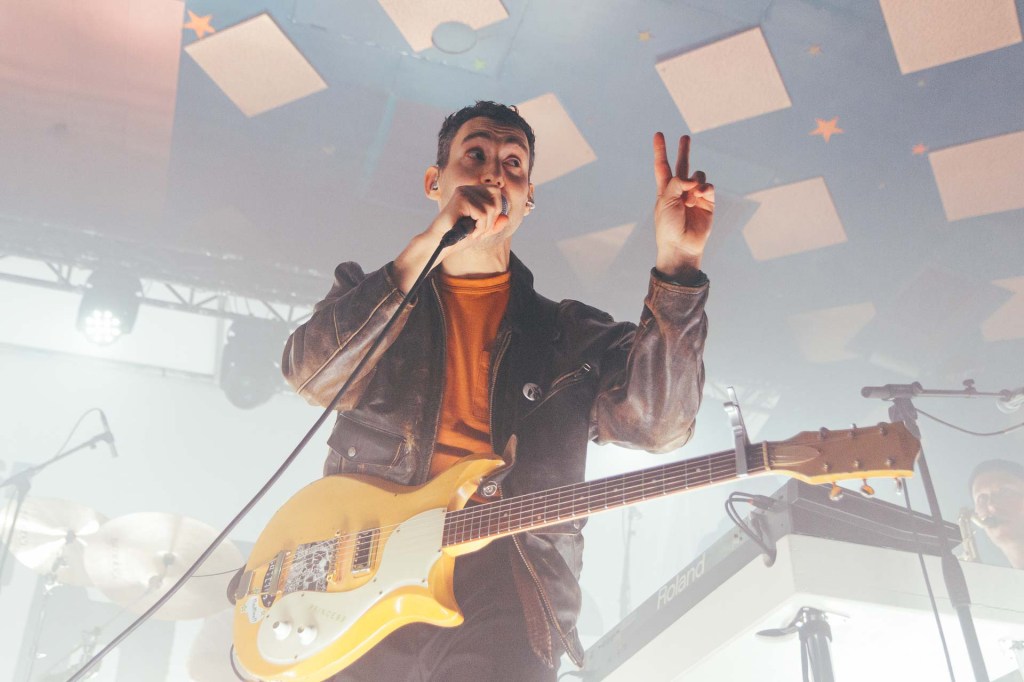
On their triumphant return to Glasgow, Bleachers prove that the only way from here is up – and two saxophones are better than one!

Bleachers’ frontman Jack Antonoff alleges that the first and only time his band played in Glasgow there were nine people in the audience. Speaking to fans who were in attendance that night it was more likely into triple digits but for the bargain price of £10 – even in 2015 – it seems almost criminal that anyone could’ve passed up such a gig. In the nine intervening years, the band has expanded their catalogue to four albums of nostalgia therapy; Breakfast Club anthems touching on love, loss and the general specific of 21st century angst. While Antonoff has collaborated on many, wildly successful projects with other artists it’s in Bleachers that his musical identity is its most raw and authentic. The sound is iconically New Jersey, iconically millennial, and in this Bleachers has forged an irresistible dynamic. And so for their second Glasgow outing – at more than triple the ticket price – Bleachers upscaled not once but twice, from SWG3 to the iconic almost-2000-capacity Barrowlands Ballroom, and sold it out.

Scottish-born, London-based artist Kaeto landed the coveted support slot for this From The Studio to The Stage Tour and duly delivers an uncompromising set of amalgam pop which is simultaneously ethereal and violent. Closing with the instantly familiar groove of No Body, she ensures the energy in the room is high ahead of the main event as she heads to the merch desk to give away postcards.

With the pervasive oscillation that is characteristic of their songs, Bleachers opt for an understated start as latest album opener I Am Right On Time winds the crowd up gently. It’s going to be a long night but no-one quite knows that yet. They come out all guns blazing on Modern Girl though. There are three saxophones on the stage and they’re immediately threatening on this track. In fact, there’s very limited relief from the intensity of dual saxes and dual drums throughout.

The fierce urgency of How Dare You Want More fades into the sweet simplicity of Wake Me. Antonoff recalls that first Glasgow gig with energetic sincerity and dedicates his cathartic grief bop Everybody Lost Somebody to the supposed nine people who showed up in 2015. His affection and genuine appreciation for the Scottish audience is voiced often and the love is clearly reciprocated with exaggerated ovations and occasionally thunderous singalongs.

The romantic devotional Me Before You carries tones of Springsteen’s Secret Garden and so when it segues tenderly into an actual Springsteen collaboration – hypnotic dream sequence, Chinatown – the crowd is already there waiting. As a songwriter, Antonoff really excels at building these quite straight-forward, mildly intense and melodramatic, love songs and the mid-set is loaded with them. There’s very few artists who can pull off 80s pastiche with both earnestness and self-awareness but this is where Bleachers have made their niche. Addressing the crowd, he speaks with an almost aggressive friendliness (New Jersey, man! IYKYK) about what it all means to him; where music comes from, inspiration and genius; what he loves to feel in music as a listener and as a performer, and eventually he rambles onto a cover of The Waterboys that nearly brings the house down through audience participation.

They carry on, unrelenting still. The one-two punch of Rollercoaster and Let’s Get Married sees Antonoff commanding the crowd to rise on one another’s shoulders and later he even plays his acoustic guitar with such ferocity that his hand requires minor medical attention. They’re not fucking around. It’s after 10.30pm when Antonoff announces that they’re foregoing the false-encore protocol. Thank God! the applause has been exhausting!

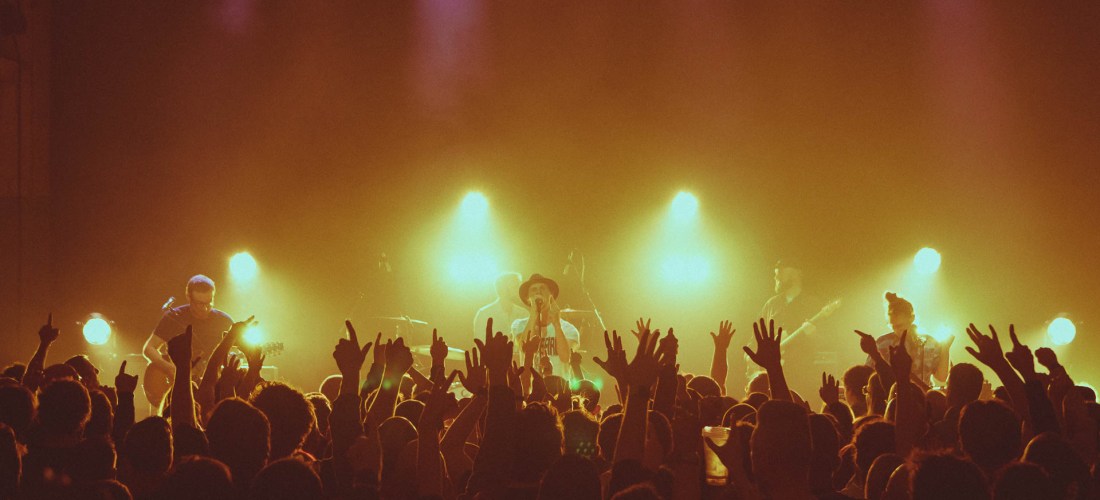
Their 20-song set crescendos in the last quarter with a sequence of what can only be described as “absolute bangers”; an embarrassment of riches representing each of their studio albums. At 11pm Antonoff calls to put the lights up on the audience so that the band can take in the full glorious scene of their triumphant “Glasgow 2” and with the promise of “Glasgow 3: as soon as fucking possible” they launch into Don’t Take The Money, closing the night with a crash of euphoric bitter-sweetness. Bleachers leave it all on the stage, regardless of how many people they’re playing for, and the feeling from this performance is that it could’ve been a lot bigger. For certain it could not have been smaller and it might not be this small again. Time will tell. Hopefully not too much time though.

The Vaccines – Barrowland Ballroom

Live music, Music Review

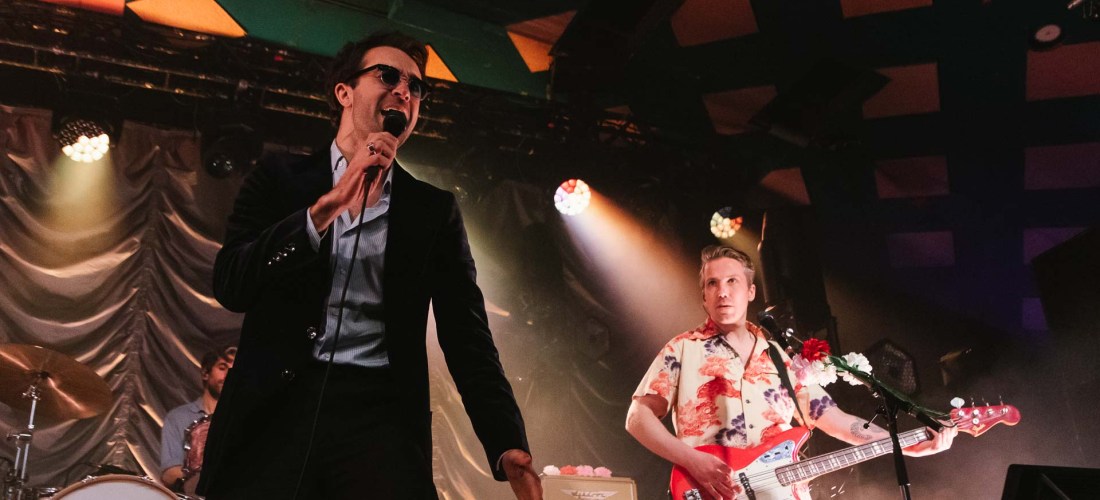
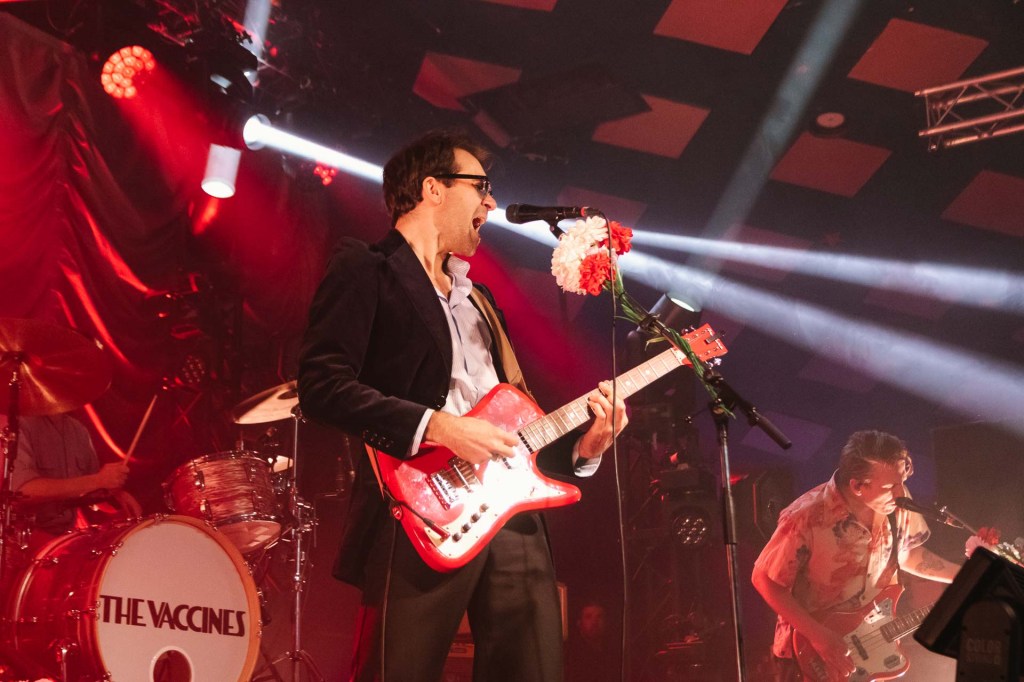
No-one else does glamorous indie rock and roll quite like The Vaccines.

When The Vaccines emerged onto the UK music scene with their debut album in 2011 they immediately landed themselves in no-band’s land. Pop music was in a transitional phase with the girls (Rhianna, Lady Gaga, Katy Perry, Adele) on top and the folk rock revival (Mumford & Sons et al.) gaining momentum. Guitar bands were already “so two-thousand and late”. Arriving at the wake of landfill indie to find the buffet cleared and the chairs stacked, The Vaccines had no business hanging around. And yet…they delivered their first two LPs with such a moreish blend of earnestness and – ironically – irony that they almost single handedly revived the genre. Thirteen years later it’s hard to say whether the longevity and success of The Vaccines is an underdog story, or if contempt for their particular brand of English lad rock is merely a play in the culture wars waged between those Millennials utilising their university degrees in gainful employment and those who are not. It doesn’t really matter either way. What matters is that they’re still doing what they do, and doing it incredibly well.

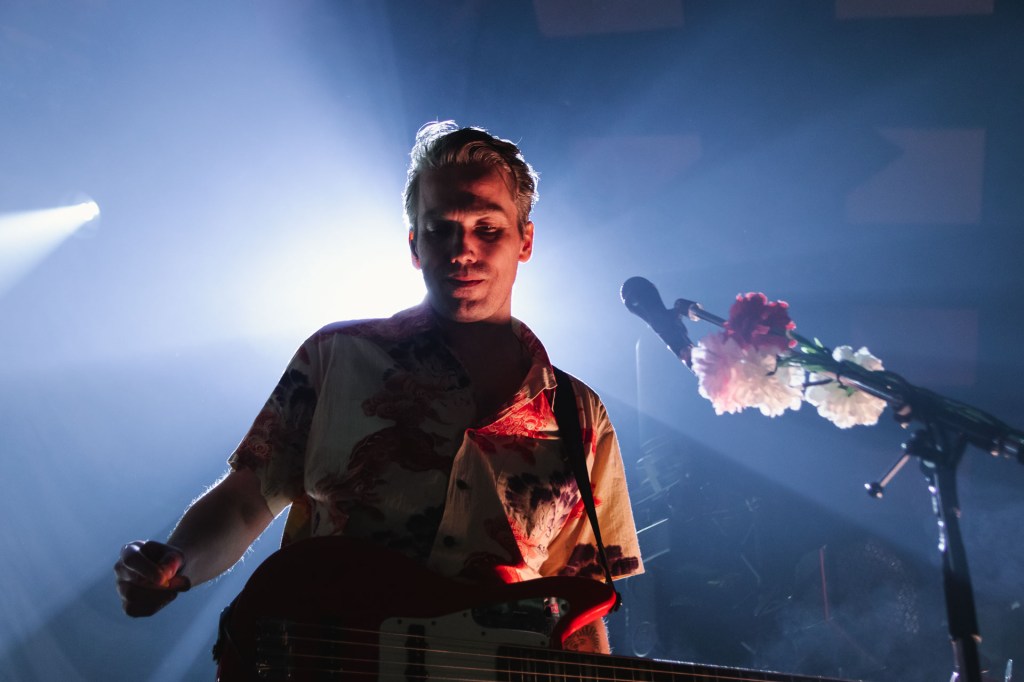
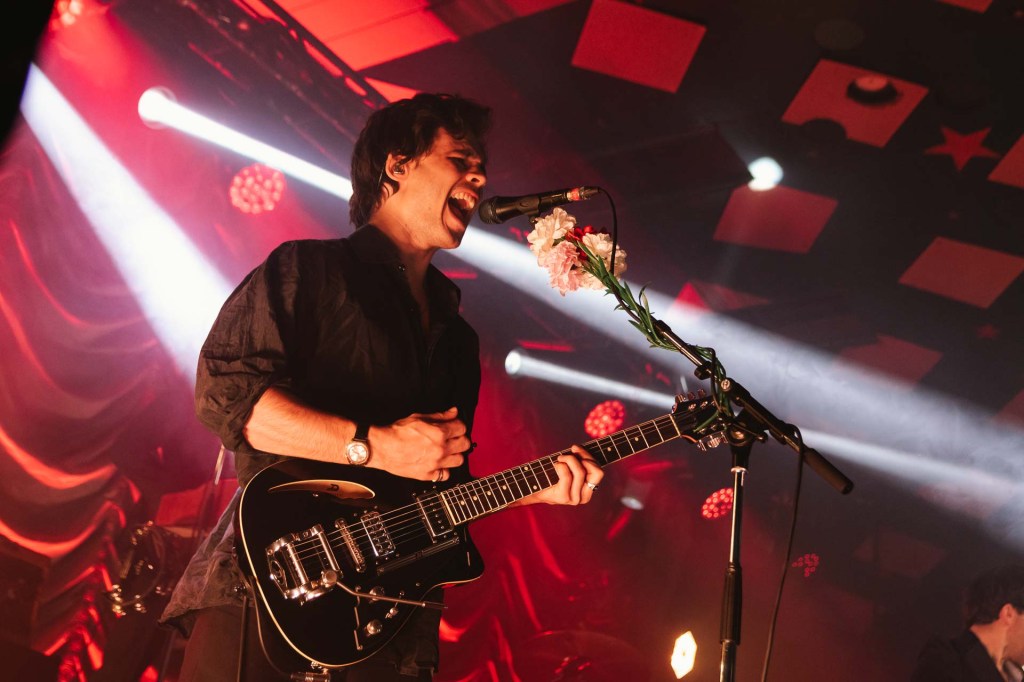
In support of their latest studio album, Pick-Up Full of Pink Carnations, the band brought a scintillating energy to their sold out show at Glasgow’s iconic Barrowland Ballroom. Their 75 minute performance encompassed an unrelenting 21-song set that made the two opening acts – Divorce and Teen Jesus & the Jean Teasers – seem like a completely separate gig, on a whole other night of the month, such was the intensity and immersive quality of The Vaccines frenetic musical joyride. Each of their six albums was honoured and, as is the measure of any decent live act, the songs cohered seamlessly over the course of the set. One could argue that The Vaccines’ biggest weakness is that their songs all kind of sound the same but the flaw in this thinking is that it’s actually a fantastic sound. Tonally, there’s not a lot of diversity but each and every song contains a top tier melodic hook and at least one indisputably relatable lyrical truth.

Articulating highlights among the no-filler set is super subjective: Wetsuit sounds more poignant than ever; Discount De Kooning (Last One Standing) offers a cathartic, jubilant singalong; singer Justin Young in his element, effortlessly windmilling his way through Headphones Baby is something to behold and has the crowd frothing. It’s all delightfully inconsequential. With an average bpm somewhere around 140 the show is over breathlessly quick. A four-song encore that ends with an entirely crowd-sung Norgaard underscores the need for both fresh air and levity.

“The longer we do this the luckier we feel” declares Young and in the current music industry landscape it’s easy to believe him. No-one does it quite like The Vaccines, anymore.

Gregory Alan Isakov – SWG3 Galvaniser’s

Live music, Music Review

Gregory Alan Isakov may have set down roots in the US state of Colorado, both figuratively and literally, but he is very much at home in Scotland. It’s unsurprising, given this country’s traditions of crofting and folk music – vocations that still go hand in hand to this day – but he also lived in the far north east of the country for a while, tending earth and songs, and always speaks fondly with candour about the people and places he connected with here. His music naturally embodies the richness and simplicity of life attuned to the minutiae of the everyday, contextualised within the vastness of the Universe. It is both intimate and expansive, intentional and meandering, specifically surreal, and embellished with an intangible magic that is uniquely Isakov’s.

On his most recent album, Appaloosa Bones, his first new music in five years, Isakov explores the breadth and depth of human experiences he observed in recent years; he spotlights our strange collective loneliness, hardships and sorrows, as well as the strength and beauty of our relationships – romantic, platonic, situational or otherwise. Sonically the album is a little rawer than his previous compilations; it instinctually stays closer to home and only soars when absolutely necessary. Isakov said he initially set out to create a lo-fi rock record but as the songs of Appaloosa Bones revealed themselves over time the timbre of the project became something more gentle. Similarly when it comes to crafting live performances the songs take the lead.

The delicate tones of the A-side tracks on Appaloosa Bones punctuate the set with brighter moments of reprieve; Before The Sun and The Fall chime with glistening banjo and piano motifs and subtly-hinted optimism. Dark, Dark, Dark offers some deep catharsis before Steve Varney’s swirling, ethereal guitar takes flight across San Luis. Emerging in shadowy silhouette, Jeb Bows’ plaintive violin heralds the opening to a darker passage; This Empty Northern Hemisphere is a journey in which Isakov Goes Electric. It rattles and rumbles, cascading and ascending again as the six musicians on stage wrestle to contain their own sorcery, finally crash landing into a rapturous reception.

Isakov emerges briefly from within, apologetically breaking the fourth wall to introduce his “best friends” in the band before theyturn their hearts and hands to the tenderness of Miles To Go, a troubadour’s ode to life on the road, carried along by piano, steel guitar and harmonica.Big Black Car provides more opportunities for the band members to shine as they trade solos, in the true folk tradition, and then it’s time for them to step out for some air. Isakov takes the spotlight himself, just for a moment, as 3am pleads with regret and promise and resignation into pin-drop silence.

For as much as he deliberately says very little throughout the set, he makes a point to thank the audience profusely for their attendance. It seems like more effort and sacrifice goes into just getting out of the house these days and artists are at the mercy of many factors beyond their own popularity or commercial success. This has never been lost on Isakov despite him consistently selling out consecutive tours across Europe at increasing capacity. SWG3 Galvanizers marks his biggest headline show in Scotland and while the staff are typically lovely and the technical aspects are world class it can be a struggle for some punters to navigate transport around the venue, and in terms of ambiance…well, it’s industrial (in the nicest way) which sets the stripped down performance of Second Chances in stark relief, even within a collection of mellifluous folk ballads. Isakov, Varney and Bowsconjure a graceful waltz while the audience stands spellbound, overawed and barely swaying.Liarsdoesn’t so much build as explodes out of nowhere, a crescendo before the third act.

Dandelion Wine and Chemicals are particular fan favourites, adored for their simplicity and visceral immediacy, and each receives deserving reaction. Isakov prefaces the title track of Appaloosa Bones saying that it’s “too depressing, we’re not gonna leave you with this” before winding up the set with the gloriously weighty Caves, its meditative refrain inviting a full-bodied singalong: “Let’s put all these words away”.The enraptured audience obliges and then begs for more so an encore is respectfully provided. The intricate beauty of Amsterdam and a captivating rendition of The Stable Song– just Isakov on acoustic guitar and Varney on banjo – preludes the stunning finale of the whole band performing Silver Bell around a single microphone, open hearts firmly front and centre. The audience response lasts until well after the house lights have come on. It’s this generous reciprocity between Isakov and his fans that sustains the love between us over the years and many thousands of miles, that keeps him coming back no matter the size of his audience. And in truth, there’s hardly a room left in Scotland big enough to contain the adoration of his fans. Regardless of where he plays, of course, he’s welcome here any time.

10 Must-see shows at Celtic Connections 2023

Festivals, Live music, Music Review

Enduring the short, dark days of late December in Scotland deserves reward – deserves celebration, in fact – and the best way to celebrate any season in this country is with live music. In dark times, more than ever, we need this; coming together to listen and share stories, to dance, to sing, is the most human of activities. Our deep desire for communal experience is undoubtedly what’s made Celtic Connections an annual highlight of the musical calendar, worldwide, for the last three decades.

With the covid-19 pandemic causing immense disruption over the last two years it’s a joy and a comfort to see the festival returning to full capacity in 2023 for its 30th edition. The disappointment of last year’s late cancellations and the limitations on international guests remain in the past now, with the festival once again offering a vast array of world class talent for audiences of all persuasions. Here is just a selection of gems plucked from within the dazzling 2023 line-up, which may be particularly useful for anyone still wrestling with the paradox of choice.

For Americana fans:

Occasionally the “Celtic connection” inferred by an artist’s inclusion in the festival can seem a little tenuous but for country songstress Emily Scott Robinson, it’s abundantly clear; her latest release, Built On Bones is a collection of hauntingly beautiful songs written for the witches of Macbeth. The setting, tone and spirit of Celtic ancestry will be conjured in her performance, accompanied by collaborators Alisa Amador and Violet Bell.

It’s hard to tell which is more endearing: William Prince‘s effortless, comforting baritone or his delicate weaving of words. In any case, when both combine over his steady but sympathetic guitar playing the result is a total envelopment within the moment.

The rare opportunity to witness the legendary, prodigious talent of Nickel Creek cannot be passed up. Band members Chris Thile, Sara Watkins and Sean Watkins – collectively and in various solo and collaborative endeavours – have been hugely influential on generations of musicians and music fans alike since the turn of the century, and their appearance at this year’s festival will undoubtedly ignite further adoration and inspiration well beyond the reach of their “neo-bluegrass” genre labelling.

For Blues fans:

Amythyst Kiah has risen through the ranks at Celtic Connections to find herself not only headlining her own show but making a guest appearance at the fabled Transatlantic Sessions. Armed with a powerful set of songs and the robust voice made to deliver them, her performances leave an indelible mark on audiences wherever she plays.

It would be rude to mention Fantastic Negrito without at least referencing the fact that his last three albums each won the GRAMMY for Best Contemporary Blues Album in their respective release years, but his talent and musical life force cannot really be reflected in any award or accolade. His live performance is part-sermon, part-therapy, part-rave, part-rock’n’roll exorcism. Those who have seen, heard and felt this music, believe.

For Folk fans:

Award-winning Australian duo Charm of Finches left audiences spellbound on their first UK tour in the summer of 2022. Through evocative lyrics and syrupy blood harmonies, the pair create a magic that lingers long after they’ve stopped singing.

One of the standout performances of 2021’s virtual Celtic Connections event, Dreamers’ Circus bring their sometimes-surreal, sometimes-serene fusion of traditional folk and jazz to light up Glasgow’s Royal Concert Hall stage for a triple billing with Finnish outfit Frigg and Scotland’s own Kinnaris Quintet.

If however, you only see one Scottish act at the festival (seriously, don’t limit yourself) it should be Talisk. The energy and intensity of their performance is only eclipsed by their immense talent, as anyone has seen them before can attest. For those folkies yet to be initiated: hold onto your flat caps!

For Indie fans:

A Celtic Connections favourite over the last decade or so, Aoife O’Donovan has two headline shows at the festival this year. The first night will see her interpreting the “songwriter’s choice” of Springsteen albums, Nebraska, while the following night will take in songs from her own catalogue including her latest critically acclaimed – and too-aptly titled – third album Age of Apathy.

Meanwhile Matthew and the Atlas will make their Celtic Connections debut in 2023, marking their first live appearance since wrapping up touring on 2019’s Morning Dancer. The band’s sonic evolution from indie folk, through more expansive alt-rock, soul and electro elements, bound to Matt Hegarty’s earthy vocal, brings so much atmosphere into any room they play.

For party fans:

In addition to this being the 30th anniversary of Celtic Connections, 2023 marks some milestones for some other significant musical collaborations and collectives within Scotland. The opening weekend sees the 10th edition of Roaming Roots Revue. The guest list features the return of many past favourites including Del Amitri frontman Justin Currie, the breathtaking Irish singer-songwriter Lisa Hannigan and indie rock powerhouse Field Music, all backed by one of the finest house bands in the land, Roddy Hart & The Lonesome Fire. The songbook is wide open this year but the sheer volume of talent present guarantees it will be another great night out.

The closing weekend is also stacked with anniversary celebrations. Scottish indie label Lost Map celebrates its 10th birthday with an afternoon-into-evening affair, encompassing multiple venues within Oran Mor, which will be lead by label founder, the incomparable Pictish Trail. A selection of upcoming and established artists will showcase throughout the event which promises to deliver value for money, both in the quality and quantity of music on offer.

The Isle of Mull’s iconic An Tobar venue will mark its 25th year with a special one-off performance featuring a who’s who of Scottish artists well-kent to its stage including Roddy Woomble, Karen Matheson, Seonaid Aitken, Duncan Chisholm and former Makar Liz Lochhead, among many more of the finest musicians.

Finally – always finally – Transatlantic Sessions returns to Glasgow’s Royal Concert Hall. For first-timers or twentieth-timers, this is the must-see of festival staples. With a house band comprising some of the most experienced and well honed players in the trad and folk scenes from either side of the water, and guests covering the full spectrum of roots music, this two-night event is the epitome of “Celtic Connections”, in theory and in practice. If you want to understand why a festival in Glasgow, in the middle of winter, has become a 30-year international musical phenomenon, the clues are all here.

Advanced booking is always recommended for shows during the festival. For more information and ticketing visit the Celtic Connections website.

Jamie T – O2 Academy Glasgow

Live music, Music Review

Jamie T is back in the game!

The indie punk poet kicked off his first headline tour in five years at Glasgow’s O2 Academy – the first of two sold out shows at this venue. Where it’s typical for big acts to schedule gaps in their tours for adding extra shows once the original dates sell out, Jamie T (real name Jamie Treays) is bookending his now-11-date run somewhat unconventionally with second visits to Glasgow and Manchester respectively. Read into it what you like but the singer-songwriter’s unwavering popularity in university towns, particularly across the north, is undeniable.

What’s also apparent from the excitable crowd in Glasgow is that Jamie T inspires the kind of obsessive loyalty in fans that’s usually reserved for rock legends and pop music’s elite. These are a different breed of devotee who can withstand years of relative silence, an absence of musical output, and minimal social media interaction and still be ready to swarm on any opportunity to see their man perform. Fans have travelled from all across the UK and some even made the trip from Europe to be at the opening night of The Theory of Whatever Tour. If Jamie T has casual fans they likely missed out on tickets; this show is packed with only die-hards!

Those who arrive before 8pm – a good majority – are treated to the first official public performance by new outfit 86TVs. The band sound like all the best elements of your parents’ record collection with mind-altering melodic hooks and irresistible vocal harmonies, crisp, steady drums and groovy bass lines, all delivered with an unassuming air of confidence. It’s the kind of performance to convince naive audiences that great songs come easily and genius is the default of true creatives. The fact that 86TVs comprises four veterans of the indie rock scene maybe goes some way to dispelling this myth but it doesn’t detract from the exceptional quality of their opening set. That they only play for 28 minutes is a real disappointment.

There’s no false bravado when Jamie T takes to the stage; the artist possesses a genuine and earned swagger. In the 15 years since the release of his debut album, Panic Prevention, Treays has established a unique status within the UK music scene through his authentic vulnerability, disarming wit and unashamedly astute lyricism. Largely evading the burden of hype and expectation, he has committed diligently to his craft and consistently delivered savvy, incisive, relevant and fun songs that defy the boundaries of any one genre. His fifth LP, for which the tour is named, is a collection as clever as it is charming.

The Glasgow crowd is a mix of ages – young couples brace and embrace along the barrier beside an adolescent boy and his guardian, and on the other side an older gentleman raises his walking stick with vigour. The set opens with 90s Cars and The Old Style Raiders, as per the latest album, and the audience responds like they’re old favourites. Jamie T has always been something of a sonic shape-shifter, and comfortably anachronistic, so it’s curious and exciting that right now he sounds the closest to indie that he ever has.

Acknowledging that he hasn’t played out in a while, Treays intends to deliver a set that covers all eras of his career, with something for everyone. And he does. There are highlights upon highlights; to borrow a phrase, it’s all thriller no filler. The ukulele foundation of Spider’s Web underscores one of many joyful singalongs and sees friends boosting friends on shoulders; the opening chord of Salvador chimes like a call to attention and is met with a plaintive chorus of voices near enough to wake the dead. A Million & One New Ways To Die is another song that embodies the “new fave” with its oddly familiar guitar motif and anthemic pseudo-emo chorus. Solo ballad St. George Wharf Tower is a bold but beautiful move in front of a restless crowd and he follows it up with Back In The Game – just a man and his acoustic bass guitar – showcasing the accomplished intricacy and vibrancy of his songwriting, as it was and continues to be.

Pint cups are launched towards the Academy’s central dome as The Man’s Machine and 368 bring the show towards a ferocious climax, yet both audience and band remain equally buoyant, in synchronised ecstasy. Chants of “Jamie-fucking-T” bring about a three-song encore during which the audience, facing in all directions, bounce, swell and radiate jubilation en masse. At the end the atmosphere is simultaneously chaotic and focused, pure, ragged, and elated; an honest reflection on the music of an artist still finding his edge and an audience willing to follow him there.

The Big Moon – Summerhall

Live music, Music Review

If there was ever any question over the popularity of guitar bands in the last few years consider this; The Big Moon are on their second round of touring through the UK since releasing their sophomore record at the beginning of January. And they’ve only gone and sold the place out! Following on from a successful run of shows supporting Bombay Bicycle Club earlier in the month they return to Scotland on the very last – leap – night of February to headline Edinburgh’s Summerhall.

Anticipation is palpable with a queue snaking down the stairs and out into the courtyard. Fans are eager to get in early and snag a good position. They’re also keen to look the part and the merch table is already busy flogging t-shirts and albums; a positive sign for any artist in the streaming age but especially for new and breaking bands.

There’s a big portion of the audience already in place when tour support Prima Queen take to the stage. They don’t say much for the first few songs and only really get chatty before the end of the set when they mention that their bassist got dumped 20 minutes before soundcheck – “so rock’n’roll” – and that they put their band name on the drums because they forgot to mention it at previous shows. The mood is light and the band have a great chemistry on stage. Lead vocals are shared between guitarists Louise MacPhail and Kristin McFadden. They have that kind of effortlessly powerful command of harmonies, familiar to fans of boygenius and Alvvays, and with tones and melodies made for summer festival afternoons blissing out under blue skies. It’s a gentle kind of warm up set that closes out with “Milk Teeth” and “Mexico” and leaves the crowd slightly swaying, slightly nodding, ready for the main event.

From the moment The Big Moon appear there’s a buzzing warmth in the room. It’s not quite Beatles hysteria but it’s damn infectious! They meet that audience energy with the scratchy jangle of debut album opener Sucker which, despite its usual dynamic shifts, remains buoyant throughout. They follow up swiftly with the pulsing disco vibe of Don’t Think before settling into a lyrical groove with Take A Piece. The new songs are just as enthusiastically received as those from the band’s Mercury nominated 2017 release Love In The 4th Dimension despite being vastly different in both sound and subject matter. Of course in the live setting there’s minimal production to hide behind and every catchy chorus and driving guitar feels just as vibrant and raw as it should. Lyrically, Juliette Jackson’s direct and literal style is engaging whether lamenting youthful relationships, wrestling inner demons or staring defiantly into the void. Witty couplets cut through the repetitive choruses and reconnect the audience with the characters and emotions at the heart of each song. There’s flutes, there’s sing-alongs, there’s even a Fatboy Slim cover, either side of which Jackson is off the stage and down on the barrier leading “a gentle song with some yelling at the end” (Waves) followed by a riotous crowd favourite (Bonfire). The end comes around too quickly for fans who are vigorous in their applause and even after the last song, after the house music starts playing, are unwilling to accept that there won’t be an encore tonight. Naturally it’s disappointing for everyone who wanted to hear more from the band but there’s something so heartening about an authentic rock performance that elicits such an organic reaction from those present. It’s refreshing. It’s invigorating. It’s healthy. Guitar bands like Prima Queen and The Big Moon are good for the health of the industry.

The National – Castlefield Bowl

Live music, Music Review

On the third night of Manchester’s Sounds Of The City open air festival music fans who defied the forecast of evening showers were rewarded with an immersive and exhilarating performance by one of American indie rock’s keystone bands, The National. Opening their European summer tour with a one-off headline show ahead of some festival dates provided the band with a unique opportunity to showcase latest album I Am Easy To Find, while polishing up some old favourites, in front of an enthusiastic 8000-capacity crowd.

While many punters were still arriving the early support slot was filled by Nashville-based artist Adia Victoria. The singer spared no effort getting the crowd warmed up under the densely humid afternoon sky. Her sometimes-husky voice and sultry melodies, accompanied by occasional twirls and a sway of hips infused the performance with a powerful sensuality that contrast to the themes of songs like “Devil Is A Lie” and “The Needle’s Eye”. Finishing on the creeping groove of “Different Kind Of Love”, Victoria makes it clear she’s here for a good time, if not a long time.

When the headliners take to the stage there’s a peculiar feeling of anticipation. Singer Matt Berninger appears to be in a light-hearted mood, ducking behind the piano as the crowd erupts in applause. The feeling shifts almost immediately to one of serious concentration as the band lead off with a string of songs from their latest album. It’s always a shock to the system when an established band comes to tour new material. That initial excitement and apprehension about what they will play and how it will flow weighs on both the performers and their audience. In this set of 25 songs 12 come from I Am Easy To Find. It’s a lot to take on and there are some sound issues throughout the first half of the set where Berninger’s vocals are occasionally drowned out by guitars, synths and horns. There’s a lot of words and a lot of voices and on no fewer than 3 instances the frontman concedes he messed up his part. Exchanging melodies and harmonies with 3 stunning female vocalists in Eve Owen, Mina Tindle and Gail Ann Dorsey gives the new songs like “Oblivions” and “Where Is Her Head” a much stronger sense of collaboration which stands out against some of the older tracks like “Bloodbuzz Ohio” and “Apartment Story”.

There’s a defiant sense of progress about the setlist too; not only are there a lot of new songs but there are fewer and fewer very old songs. One of the things fans love about seeing The National live is that, yes there are certain favourites they will always play but no 2 nights will ever be the same. The band change up their set for every single show and there’s always some unexpected treats from the catalogue. In Manchester these included “Green Gloves” and “All The Wine” which bookended some amusing chat from Berninger about capitalism after he exchanged his seemingly unpleasant drink with a fan in the front row.

Another standard of The National’s live show is the moment of insanity that ensues every time Matt Berninger wades into the crowd. It’s as exciting as it is terrifying and yet he does it so regularly that the band almost don’t notice, but that wingmen/guitarists Aaron and Bryce Dessner intuitively know when to occupy front and centre stage. “Day I Die” sees one such moment, after which Berninger appears quite dishevelled, his crisp white shirt untucked and his glasses skewed. Yet he returns again during “Graceless” where the microphone is all but lost to the crowd and his voice is barely heard over the shout-singing of those around him. His antics are especially jovial late in the set. During “The System Only Dreams In Total Darkness” he interferes with Aaron Dessner’s guitar change and finds himself flirting with the edge of the stage before running and leaping into position for the opening lyric. At one point he coaxes a phone from someone in the crowd, taking it on stage to film his perspective before tossing it back into the melee.

The band close out the set with “Fake Empire” and a new crowd favourite “Rylan” just as the heavy sky starts to give way to a light mist. Berninger’s protracted departure from the stage sees him handing a bottle of wine from his personal stash into the crowd, followed by some cups. “Now I don’t even have time to pee before the encore” he complains. Not leaving without playing a final couple of songs from the new album, they push on with the encore as Berninger enters the crowd one final time during “Mr November”. He emerges at the end of it a somewhat changed man, mainly in that he is unable to hear the band clearly or keep up with “Terrible Love” until well into the bridge, at which point the Dessner’s take over and drown out whatever vocals remain to be heard.

Shenanigans have cost them time and as they set up the final songs, a typical crowd singalong with “Vanderlyle Crybaby Geeks” the venue hits its 10.30pm curfew and all amplification is silenced. Lights come on as the crowd leads line after line, drowning out all but a faint tambourine on the stage that keeps time until the last note is sung. Rain falls heavier, the louder the chorus rises until finally the gathering disperses by mutual agreement. Another one-of-a-kind night for fans, if not quite an auspicious show to kick off this tour.

The Decemberists – O2 Academy Glasgow

Live music, Music Review

It’s an unexceptional Monday night in November that sees an audience gathered in the expansive darkness of Glasgow’s O2 Academy. It happens to be Bonfire Night which seems as good an excuse as any to stand around and listen to folk songs, and for this occasion you’d be hard-pressed to find a more literary story-teller than The Decemberists’ Colin Meloy. The communal spirit that his band embodies is alight in their followers too, and from the moment the band walk on stage there’s a warmth in the air. Fans haven’t just come to bear witness, they’ve come to take part.

A joyful opening set by Philadelphia’s Hop Along is encouraged despite the contrasting weight and density of the two band’s sounds. The overall energy is well matched and there can be no doubt the responsibility of the “warm up act” has been fulfilled.

With his harmonica poised Meloy gives a gracious welcoming salute as the rest of The Decemberists take up their positions.  Don’t Carry It All draws directly on the crowds in-it-together attitude with some vibrant singing and clapping along right from the outset. It’s apparent  early on that fans are elated to see the band again, as song after song is received in similarly boisterous fashion. The first half of the set builds momentum with some catchy choruses and powerful imagery. Blending new songs with the older catalogue happens around some of the more angular melodies; Cutting Stone into Shankill Butchers and despite wheeling out these darker themes early on the feeling in the room remains upbeat.

The Decemberists have a delightful knack for masking miserable tales behind jaunty mandolin and accordion but they also present honestly dour folk, as on the plaintive The Engine Driver which features two 12-string guitars for added pathos. This turns the midset into a rather gloomy interlude and yet the crowd responds with ever growing enthusiasm. “How about a song about the end of the world then?” offers Meloy before launching gleefully into Calamity Song. It’s a considered about-face of sorts, giving a glimmer of hope for at least sonic redemption before plunging deep into the grand tragedy of The Crane Wife 1 & 2. This song has possibly the subtlest build of any folk rock song to feature a xylophone solo and is followed unnaturally and yet obviously by The Queen’s Rebuke / The Crossing from 2009’s exceptionally heavy “The Hazards of Love”. The whole mood turns on this number as the lighting becomes dark and red, the sound is distorted and there is even a guitar solo!

From this point the brilliant synth-driven Severed introduces a suite of songs from latest album “I’ll Be Your Girl”. We All Die Young includes a necessarily tutored call and response bit of audience participation as well as an inappropriately uplifting sax solo. The band are beyond reach now, so elevated in their jubilation and commitment to giving a great performance. The grimmest tales of seduction, drowning and vengeful murder inside the belly of whale spur them on and the audience acquiesces with equal fervour.

Outside it remains an unexceptional Monday night in November but those in the dark of the Academy know it to be otherwise.